
Latest Results, News
First deal of 2026 – Aurora Power Consulting

First deal of 2026 completed – Aurora Power Consulting has joined Morson Group, with the corporate team at Steele Raymond advising.
16/01/2026
When someone dies, the estate needs to be administered and distributed. Where the main asset is a house, that often means selling it. If the executor is refusing to engage, the estate can sit in limbo – no sale, no distribution, and rising frustration. This is common where the executor is living in the property, […]

When someone dies, the estate needs to be administered and distributed. Where the main asset is a house, that often means selling it. If the executor is refusing to engage, the estate can sit in limbo – no sale, no distribution, and rising frustration.
This is common where the executor is living in the property, or where family relationships are already strained. Whether you are a beneficiary or a co-executor, there are practical steps you can take, and legal remedies if the deadlock continues.
An executor’s role is to collect the estate, pay debts, deal with tax, and distribute what remains in line with the will. They should keep proper records, communicate appropriately, and act in the interests of the estate.
Where there is property in the estate, the executor usually needs to agree a plan for it – for example a sale, a transfer, or (in some cases) a buy-out. Problems arise when the executor will not take decisions, will not communicate, or has a conflict – for example where they want to remain in the property.
Court proceedings are usually a last resort. Many disputes can be resolved by communicating – by setting out a clear plan, a clear timetable, and a clear written record.
If you are a co-executor, it also helps to understand what requires both signatures and what can be progressed in the meantime. Good advice at this stage can help you foresee obstacles and deal with them before positions become entrenched.
If the executor continues to block progress, the focus shifts to whether the estate can be properly administered. The court’s concern is practical: can the administration be carried out fairly, with proper accountability, and without continuing delay.
Depending on the facts, the court can remove an executor, appoint a replacement, or appoint an independent executor (often a solicitor). An independent appointment can help reduce conflict and restore momentum, particularly where the property needs to be sold.
Evidence matters. Helpful material can include:
When the executor is occupying the home, the position can become more complicated. The key is to understand the basis on which they remain there and what that means for the estate.
In many situations the end goal remains the same – a sale at proper market value, followed by distribution. Before serving notice or starting possession proceedings, take advice so the steps taken match the facts and protect the estate’s position.
If you are dealing with an executor who will not move matters forward, we can help you regain control of the situation and protect the value of the estate. We will explain the options, the evidence you are likely to need, and the next best step.
Louise Maidment
Partner and Head of Contentious Trust and Probate Team
01202 099 099
[email protected]
Sometimes, yes. Where an executor has not started administering the estate, stepping aside can be relatively straightforward. If they have already dealt with estate assets, it can be more complicated. In those circumstances, a court order may be needed to change who is responsible for the administration.
Court action can be appropriate where discussions have broken down and the estate cannot be administered. The court will consider whether delay, conflict, or lack of cooperation is preventing the estate from being dealt with properly.
Many steps in an estate administration require both executors to agree, particularly where a property sale is involved. If one executor refuses to cooperate, it can prevent the estate from moving forward. Depending on the circumstances, it may be possible to apply for directions or to replace an executor.
An executor who is also a beneficiary still owes duties as executor. Decisions should be made for the benefit of the estate as a whole, with proper records and a fair approach to all beneficiaries.
A buy-out can be a constructive solution where funding is in place and the property is valued properly. It should be recorded clearly, with an agreed valuation approach and a timetable. Without this, it can become another source of delay.
If possible, gather a copy of the will, any grant paperwork, details of the property, and a timeline of what has happened so far. Copies of emails and letters can be particularly helpful.
First deal of 2026 completed – Aurora Power Consulting has joined Morson Group, with the corporate team at Steele Raymond advising.

A new year is the perfect time to take stock, get organised, and set yourself up for success – including with your tax affairs. And this year, there’s a change on the horizon that every landlord, small business owner, and private taxpayer should know about Making Tax Digital (MTD). While it might sound intimidating, the […]
When someone dies, the estate needs to be administered and distributed. Where the main asset is a house, that often means selling it. If the executor is refusing to engage, the estate can sit in limbo – no sale, no distribution, and rising frustration. This is common where the executor is living in the property, […]
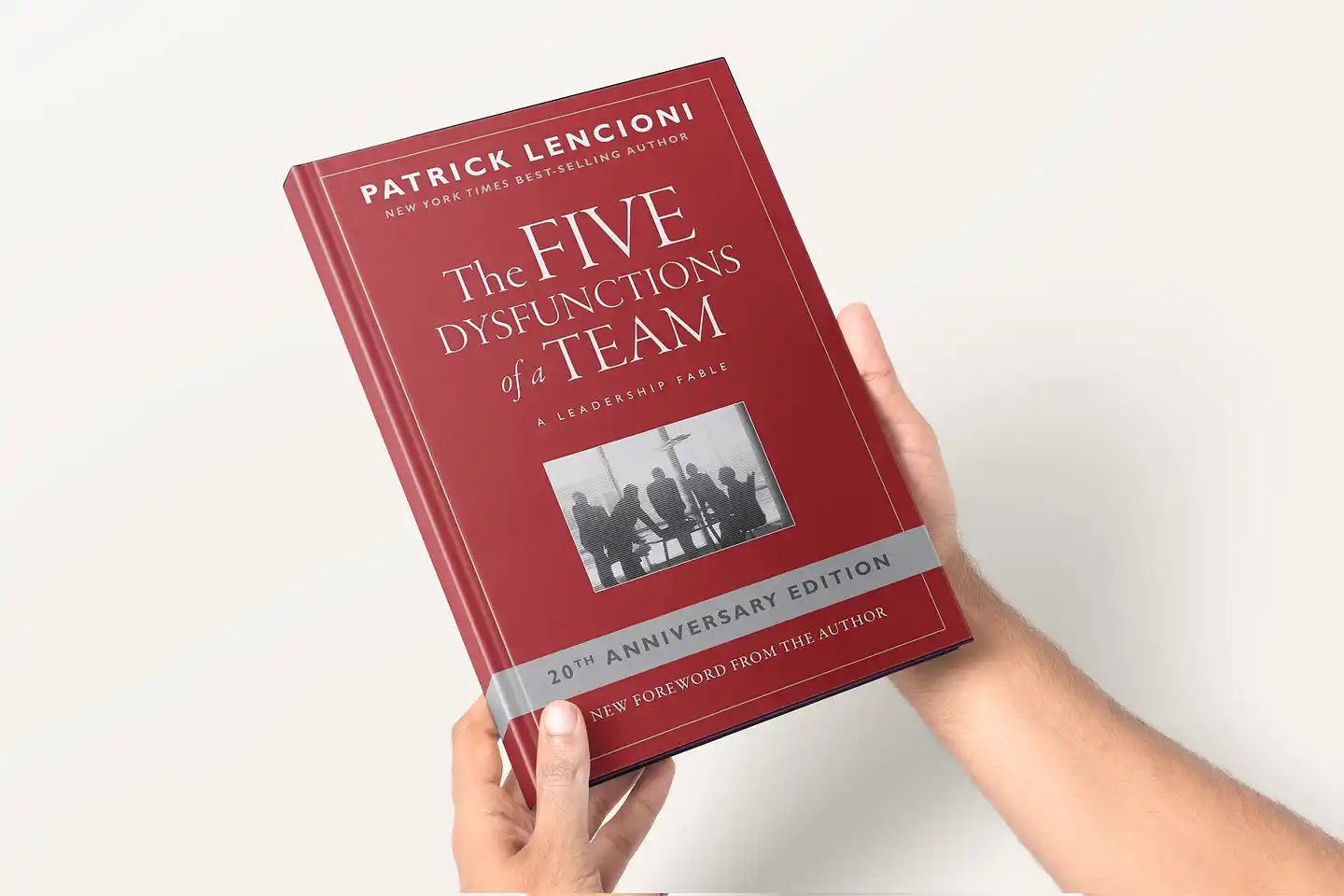
Shared language gives our teams real momentum. From Associates Day to firm-wide book clubs, people learn together, talk openly about pressure and burnout, and turn ideas into practical changes that make daily work more sustainable.

Serious work, human rhythm. From Bournemouth and Southampton to Poundbury, our teams handle heavyweight matters, then step into sea air, green space and short commutes that keep heads clear and careers moving. If you want City level work with South Coast balance, this is where both can happen.

This transaction brings together long‑standing British distribution expertise and the scale of a European market leader.

Ranked Top Tier in The Legal 500 for the 21st year running, Steele Raymond gives businesses, developers and families across the South City calibre judgement with local commitment – helping deals complete, sites progress and families move forward while we protect value and keep momentum.

People often think about houses, savings and heirlooms but don’t have a plan for the photos that hold a thousand moments, the messages they want to keep, and the accounts that pay for daily life.
First deal of 2026 completed – Aurora Power Consulting has joined Morson Group, with the corporate team at Steele Raymond advising.
A new year is the perfect time to take stock, get organised, and set yourself up for success – including with your tax affairs. And this year, there’s a change on the horizon that every landlord, small business owner, and private taxpayer should know about Making Tax Digital (MTD). While it might sound intimidating, the […]
When someone dies, the estate needs to be administered and distributed. Where the main asset is a house, that often means selling it. If the executor is refusing to engage, the estate can sit in limbo – no sale, no distribution, and rising frustration. This is common where the executor is living in the property, […]
Shared language gives our teams real momentum. From Associates Day to firm-wide book clubs, people learn together, talk openly about pressure and burnout, and turn ideas into practical changes that make daily work more sustainable.
Serious work, human rhythm. From Bournemouth and Southampton to Poundbury, our teams handle heavyweight matters, then step into sea air, green space and short commutes that keep heads clear and careers moving. If you want City level work with South Coast balance, this is where both can happen.
This transaction brings together long‑standing British distribution expertise and the scale of a European market leader.
Ranked Top Tier in The Legal 500 for the 21st year running, Steele Raymond gives businesses, developers and families across the South City calibre judgement with local commitment – helping deals complete, sites progress and families move forward while we protect value and keep momentum.
People often think about houses, savings and heirlooms but don’t have a plan for the photos that hold a thousand moments, the messages they want to keep, and the accounts that pay for daily life.